
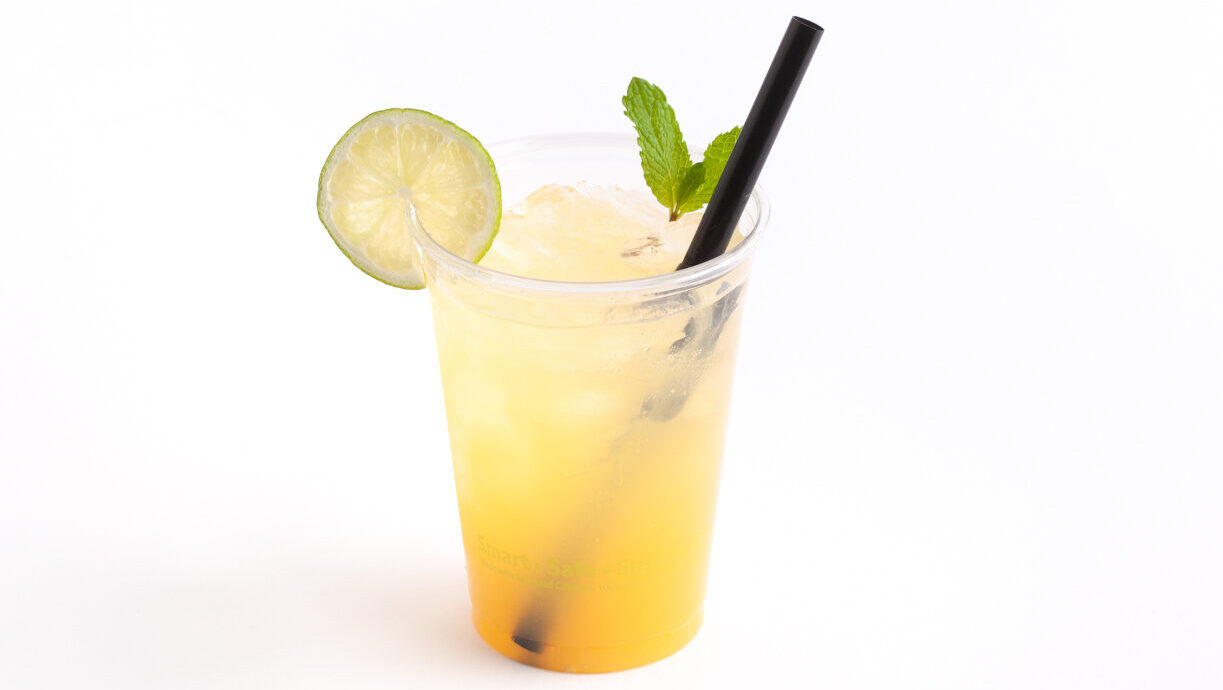
Straws may seem like a small part of foodservice packaging, but the material you choose can affect how a drink feels, how long the straw holds up, how customers view your packaging choices and how well the straw fits the beverage itself.
A smoothie, iced coffee, soft drink, cocktail and bubble tea do not all need the same straw. A quick service counter or restaurant, school program, healthcare setting, coffee station or grab and go beverage program may also have different needs.
That is why choosing the right straw is about matching the material to the drink, the customer and the experience you want to deliver.
At Amhil, we help foodservice businesses choose straw and stirrer solutions that support performance, presentation and sustainability goals.
Why Straw Material Matters
Straw material affects more than the look of a drink.
It can change the drinking feel, the durability of the straw, the way customers experience the beverage and the sustainability message your business is trying to communicate.
A straw that softens too quickly, bends too easily or does not match the drink can make the experience feel lower quality. On the other hand, the right straw can make a beverage easier to enjoy, support a cleaner presentation and help customers feel more confident in the packaging choice.
Which Straw Should I Choose for My Actual Operation?
Different foodservice settings need different straw solutions. The right choice depends on the drink, the customer, the service model and the message your business wants to support.
|
Beverage |
Need | What To Get |
| Smoothies and milkshakes | Strength, diameter and durability | Choose a stronger or wider straw that can support thicker drinks without collapsing. |
| Bubble tea | Wide diameter and strength | Choose a specialty straw that can handle toppings and thicker textures. |
| Coffee station | Stirring, convenience and cost control | A coffee stirrer may be a better fit than a straw when customers only need to mix cream, sugar or flavouring. |
| Cocktails and bar service | Presentation, size and drink style | Choose cocktail straws that match the glassware, drink format and customer experience. |
| Schools and healthcare | Hygiene, flexibility and accessibility | Wrapped or flex straws may be more suitable where comfort and accessibility. |
|
National chains |
Consistency, sustainability and customer expectations |
Choose straw materials and formats that can support performance, brand standards and responsible communication across locations. |
Start With the Beverage, Not the Material
The best straw choice usually starts with the drink.
A thin cold drink may only need a standard straw. A smoothie may need a stronger straw. Bubble tea may need a wider specialty straw. A cocktail may need a shorter or more decorative option. A coffee program may need stirrers instead of straws.
This helps avoid a one size fits all approach. Instead of choosing a material first, businesses should look at the beverage, the lid, the cup size, how long the drink will be used and what the customer expects from the experience.
When the straw fits the beverage, the drink feels easier to enjoy and the packaging feels more intentional.
What to Consider When Selecting a Straw
Once the drink type is clear, the next step is to look at how the straw will be used in real service conditions.
- Performance: The straw should hold up for the full drink. Thick drinks, larger cups, sealed lids and longer use times usually need more strength than a short use fountain drink or cocktail.
- Customer Experience: Customers notice mouthfeel, comfort and ease of use. A straw that softens, cracks or feels awkward can affect how the entire drink is perceived.
- Diameter and Fit: The straw needs to match the drink texture, cup size and lid opening. A narrow straw may work for iced coffee or soda, but it may not work for smoothies, milkshakes or bubble tea.
- Service Setting: A quick service restaurant, café, bar, school, healthcare setting, convenience store and national chain may all need different straw formats. The same option may not work across every location or drink program.
- Hygiene and Handling: Wrapped straws can be useful for takeout, delivery, self serve stations, schools, healthcare settings and other environments where individual handling matters.
- Accessibility: Flex straws can help support comfort and ease of use in schools, patient feeding and long term care settings.
- Sustainability Message: The straw should support a claim the business can clearly explain. Compostable, biodegradable, plant based, recyclable and recycled content are not the same thing, so the material and message should align.
- Local Rules and Disposal: Packaging rules and disposal options vary by market. Businesses should consider whether the straw material matches local requirements and available disposal pathways.
- Supplier Support: A strong supplier should help businesses choose the right straw for the drink, not simply offer one default option. This can include guidance around sizing, wrapping, specialty formats, sustainability claims and customer needs.
Comparing Common Straw Material Options
Different straw materials support different priorities. The goal is to choose the best fit for the beverage, setting and brand message.
|
Straw Material |
Strength | Sustainability Story | Best Fit |
Watch Out |
| Conventional plastic | High | Strong performance, familiar feel and consistent use | High volume cold drinks, larger cups and drinks that need reliable strength | May not align with every sustainability goal or local requirement |
| Paper | Medium | Familiar environmentally conscious option | Short use drinks, events and simple beverage programs | Can soften depending on drink type and use time |
| Compostable | Medium to high, depending on the material | Supports compostability messaging when material, certification and disposal pathway align | Sustainability focused drink programs, cafés, QSRs and foodservice operators | Compostable does not mean every product breaks down the same way in every waste stream |
| Plant based or advanced materials | Varies by product | Can support renewable, certified, traceable or improved end of life claims depending on the material | Brands looking to balance drink experience with sustainability goals | Claims should be specific and tied to the product |
| Wrapped straws | Depends on the base material | Adds hygiene and handling support | Takeout, delivery, self serve, schools and healthcare | The wrap should match the service model |
| Flex straws | Medium to high, depending on format | Practical where comfort and accessibility matter | Schools, patient feeding and long term care | Not every beverage program needs bendability |
| Specialty straws | Varies by format | Matches the straw to specific drinks and presentation needs | Bubble tea, smoothies, cocktails and frozen drinks | Diameter, length and format must match the beverage |
| Coffee stirrers | Designed for mixing | Practical support for coffee and hot beverage stations | Coffee counters, self serve stations and office beverage programs | Not a replacement for a straw when customers need to sip through a lid |
Where Back to Earth™ Fits In
For businesses reviewing straw material because of sustainability goals, Back to Earth™ gives Amhil a clear value proposition.
Back to Earth™ is Amhil’s compostable straw option. It is made from BPI certified materials and is designed to perform like plastic while offering earth friendly advantages. Back to Earth™ decomposes wherever it is discarded, whether in the compost bin or the garbage.
For foodservice operators, the value is balance. Back to Earth™ helps businesses move beyond a simple paper versus plastic decision by offering a straw option that supports the drink experience while also supporting a more responsible sustainability message.
This matters because many operators want a straw that feels familiar, holds up well and still reflects the direction their customers expect from packaging today. Back to Earth™ helps connect those priorities by bringing performance and sustainability into the same conversation.
Sustainability and Certifications Matter
Sustainability is one of the biggest reasons businesses review straw material, but the decision should still stay practical.
A paper straw may be recognizable, but it may not deliver the right experience for every drink. A conventional plastic straw may perform well, but it may not fit every sustainability goal. A compostable or plant based option may help businesses balance customer experience with a more responsible packaging message.
Certifications help support these decisions because they give businesses more credible information behind material and sustainability claims. For most foodservice operators, the goal is not to memorize every standard. The goal is to choose a straw that works for the beverage, fits the customer experience and supports a message the business can explain clearly.
Straw Material Selection Checklist
Before choosing a straw, review the beverage, the setting and the customer’s needs.
- What drinks are being served?
- Are the drinks thin, thick, iced or blended?
- Does the drink need a standard, wide, flex, cocktail, specialty or wrapped straw?
- Does the drink need a straw at all, or would a coffee stirrer be a better fit?
- How long will the customer use the straw?
- Is the drink consumed on site, taken to go or delivered?
- Does the straw need to fit a specific lid or cup opening?
- Is hygiene or individual wrapping important?
- Is accessibility important for the customer group?
- What sustainability message does the business want to support?
- Can the material claim be clearly explained?
- Are certifications or product details available to support the claim?
- Are there local packaging rules or disposal requirements to consider?
- Does the straw match customer expectations around feel and durability?
- Can the supplier support different straw and stirrer options as the beverage program changes?
The right straw is the one that fits the drink, the service setting and the customer experience.
Find the Right Straw Solution for Your Business
Whether you need standard straws, specialty straws, wrapped options, stirrers, paper straws or compostable alternatives, the right material can make a clear difference in the customer experience.
“Choosing the right straw starts with understanding the beverage and the environment it will be served in. A smoothie, a fountain drink, a cocktail, and a healthcare setting all create different requirements, so the best solution is the one that supports performance, customer experience, and responsible material choice together.” – Abe Looy, Head of Innovation and Product Management
Amhil can help restaurants, cafés, retailers and foodservice operators choose straw and stirrer solutions that match their beverage programs, customer needs and sustainability goals.
Contact Amhil today to explore straw options that support better performance, stronger presentation and a more thoughtful packaging experience.
Frequently Asked Questions
Why does straw material matter?
Straw material affects how the straw feels, how long it holds up, how well it supports the drink and how customers perceive your sustainability efforts.
What are compostable straws?
Compostable straws are designed to support more responsible end of life options when the material, certification and disposal pathway align.
What are Back to Earth™ straws?
Back to Earth™ straws are Amhil’s compostable straw option. They are made from BPI certified materials and are designed to perform like plastic while offering earth friendly advantages.
What certifications matter when comparing straw materials?
The most relevant certifications depend on the product and the claim being made.
- ASTM standards are commonly used to test and define material performance, including compostability and biodegradation conditions.
- BPI certification helps confirm whether a product meets compostability requirements for commercial composting or both commercial and home composting, depending on the certification.
- TÜV certification can provide third party validation for compostability and biodegradability claims, depending on the specific mark or standard.
- ISCC+ certification supports traceability and verification of renewable, recycled or bio circular material claims through the supply chain.
For foodservice businesses, certifications matter because they help support clearer and more credible sustainability communication.
When should businesses use wrapped straws?
Wrapped straws can be useful for takeout, delivery, self serve stations and settings where hygiene and beverage safety are especially important.
What type of straw works best for schools or healthcare settings?
Schools, healthcare settings and long term care programs may need wrapped or flexible straws depending on hygiene, accessibility and customer needs.
When should a business use coffee stirrers instead of straws?
Coffee stirrers are best when customers need to mix cream, sugar or flavouring into hot beverages rather than sip through a straw.
Can Amhil help with straw selection?
Yes. Amhil offers a range of straw and stirrer options and can help foodservice businesses choose products based on beverage type, customer needs and sustainability priorities.